
Fort Sheridan blends historic officer housing, renovated barracks, and lakefront estates surrounded by established trees. Tight access paths between older buildings, aging roots near foundations, and landmark protections all shape the way tree care has to be handled here. Chop Chop Tree's network of tree removal in Highland Park knows how to work within preservation rules, manage dense canopies around historic structures, and protect root systems while keeping North Shore properties safe and usable.
Those conditions are a big reason Fort Sheridan homeowners turn to tree trimming services with confidence.

Prefer to Talk to An Expert?
(847) 243-6669
Why Local Expertise Matters for Your Fort Sheridan Property
Fort Sheridan's historic buildings, strong lakefront winds, and mature oak canopy call for a crew that knows the area well. Local specialists use methods and equipment suited to narrow driveways, protected landmark areas, and bluffside terrain across Highland Park.
From crown reduction along Sheridan Road to hazard tree removal near the historic water tower, each project is completed with care, accuracy, and long-term property health in mind.
Protect your property and reduce uncertainty. Local experts can help keep your landscape compliant, stable, and secure over time.
Our Tree-Removal Services in Highland Park, IL, Include
Tailored Tree Services for Fort Sheridan's Unique Properties
Former military housing and limited-access corridors call for a site-specific plan, not a one-size-fits-all approach. Local crews build each service plan around the needs of the property in front of them.
Whether you own a former officer's home near Tower Road, a restored barracks building in the central district, or a lakefront property near the bluff overlook, the right approach starts with the site itself.
Services such as professional tree pruning, expert stump removal, quality landscaping, and reliable lawn care should be shaped around the neighborhood's character and the condition of each property.
The History of Fort Sheridan and Its Impact on Tree Care Today
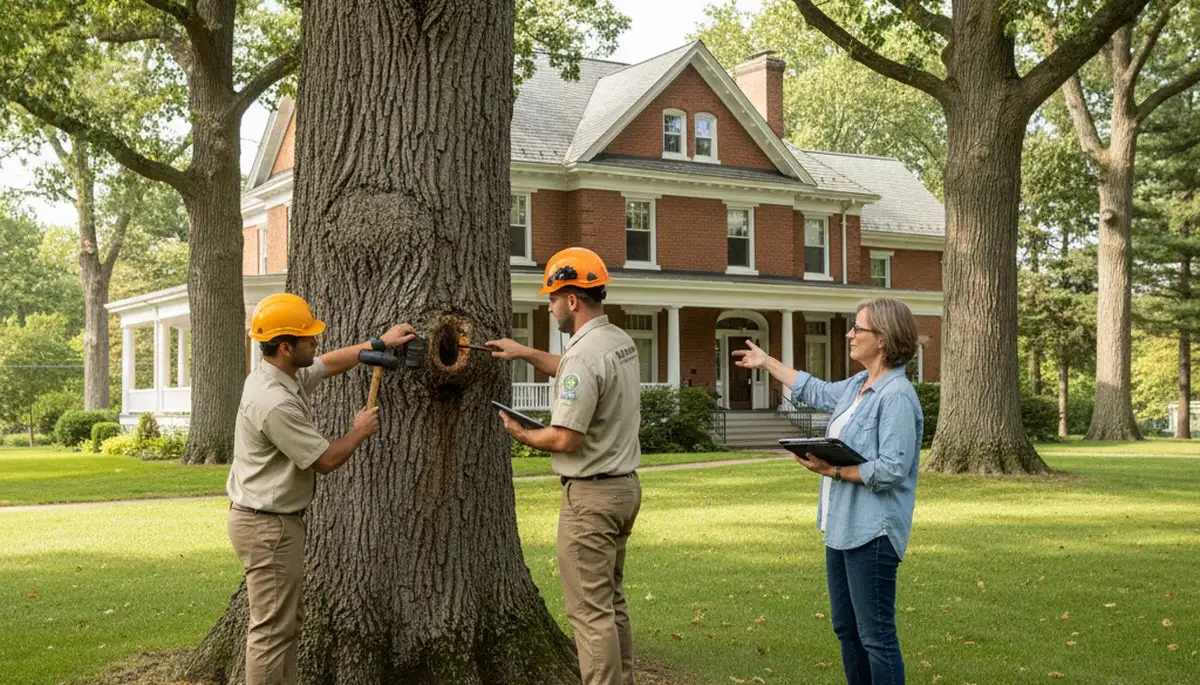
Fort Sheridan began as a U.S. Army installation in 1887 and later became a National Historic Landmark residential community. That history still affects present-day tree care, especially where century-old trees, outdated landscape plans, and preservation rules create challenges that require specialized knowledge.
Aging Root Systems Near Historic Foundations
In areas such as Officers' Row and the Parade Ground district, older trees can push roots toward foundations and other masonry elements. The result may include cracking, shifting, or other structural concerns that need attention before they worsen.
Our network of tree trimming professionals in Lake Forest addresses these issues with precision root pruning, foundation zone mapping, and barrier installation designed to prevent repeat problems.
Lakefront Wind Exposure and Canopy Stress
Lake Michigan views come with steady wind exposure that can weaken limbs over time. Without proper care, stressed branches may fail suddenly and cause damage during storms.
Local pros manage these conditions with directional pruning, cable bracing, and strategic crown thinning tailored to the area's exposure.
Overgrown Parade Ground Plantings
Years of limited maintenance have left many ornamental plantings larger and denser than intended, which can reduce balance and limit visibility.
Skilled crews restore these spaces with selective thinning, height reduction, and reshaping that improve both appearance and plant health.
Harsh Winter Conditions and Ice Damage
Freeze-thaw cycles in the Highland Park area can split limbs and create hazards for property owners and visitors.
Seasonal pruning, structural evaluation, deadwood removal, and weight reduction help trees enter spring in better condition and with less risk from winter weather.
Limited Access Between Historic Buildings
Narrow clearances between buildings often make equipment placement and job planning more complicated in Fort Sheridan.
Compact chippers and aerial lift equipment allow crews to work precisely while limiting disruption and protecting surrounding structures.
Ready to improve your Fort Sheridan property? Call (847) 243-6669 today to schedule a free, no-obligation consultation with a local expert.
Expert care for every property. Trust Chop Chop Tree to find you reliable solutions.

Kick Off Your Tree Removal Project Today
(847) 243-6669Comprehensive Tree Trimming Services for Fort Sheridan, IL
Year-round care from local professionals helps keep your property structurally sound, visually balanced, and aligned with historic standards. Explore the services below to see what fits your needs.
Regular Tree Trimming Services in Fort Sheridan, IL
Seasonal Canopy Thinning for Lakefront Properties - Trimming mature oaks and maples in bluffside areas reduces wind resistance and ice buildup, helping limit winter storm damage while preserving the historic canopy that gives the community its character.
Foundation Zone Root Management - Properties near Officers' Row and the converted barracks area benefit from careful root pruning that protects older masonry while supporting tree health, using methods similar to those used by tree trimming services in Highwood.
Parade Ground Vista Restoration - Selective pruning of overgrown ornamentals brings back the intended sightlines across the historic parade grounds while respecting the original military-era landscape design.
Sheridan Road Clearance Trimming - Routine limb removal preserves safe clearances along the roadway, improves visibility at intersections, and maintains the tree-lined feel of the boulevard.
Historic Landmark Compliant Pruning - Every trimming project follows National Historic Landmark guidelines so the work supports, rather than disrupts, the architectural and landscape value that defines Fort Sheridan.
Plan seasonal maintenance before spring growth begins to support stronger trees and reduce unnecessary stress.
Intensive Tree Pruning Services in Fort Sheridan, IL
Storm Damage Assessment and Correction - After severe lakefront storms, detailed inspections identify split limbs, structural weaknesses, and hanging branches that need immediate correction to restore safety.
Mature Oak Crown Restoration - Older oaks throughout the community benefit from crown cleaning, deadwood removal, and structural pruning that can extend tree life and reduce hazards near walkways and buildings.
Cable and Brace System Installation - Trees with multiple stems or weak branch unions may need support systems that help prevent failure while keeping the natural shape valued in historic landscapes.
Elevation Pruning for Building Clearance - Raising the canopy away from rooflines and facades helps protect historic structures from moisture-related issues and maintains access for upkeep around converted military buildings.
Disease and Pest Mitigation Pruning - Removing infected branches early can help slow the spread of oak wilt, anthracnose, and other common problems before they affect entire trees, protecting the mature canopy that defines the area.
Dormant-season pruning helps reduce stress and supports healthy recovery when spring returns.
Maintenance Tree Services in Fort Sheridan, IL
Annual Health Inspections - Routine assessments by certified arborists reveal early signs of trouble and provide property owners with clear reports and recommended next steps for each tree.
Mulch Ring Installation and Renewal - Fresh mulch around the base of a tree helps hold moisture, regulate soil temperature, and protect bark from mower damage, especially near busy residential areas.
Soil Amendment and Fertilization - Former military grounds often deal with compacted soil and nutrient shortages, and targeted treatments can improve root growth and overall tree vigor without changing the historic landscape feel.
Young Tree Training and Structural Pruning - Newly planted trees receive early corrective pruning to establish strong branch structure and reduce the need for major work later in life.
Cabling System Inspections - Support systems on mature trees should be checked regularly so they continue to work properly as the tree grows and weight distribution changes.
Consistent maintenance helps trees live longer, lowers long-term costs, and preserves the mature canopy that makes Fort Sheridan stand out among North Shore communities.
Emergency Tree Removal Services in Fort Sheridan, IL
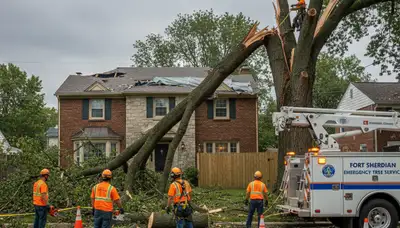
24/7 Storm Response - Severe weather calls for immediate action when trees fall, limbs hang dangerously, or access roads become blocked in the historic district, with crews available around the clock to restore safe access.
Hazardous Limb Removal - Sudden branch failures near homes, sidewalks, and parking areas need fast attention, and response teams are equipped to handle dangerous conditions while protecting nearby structures and landscape features.
Utility Line Clearance - Trees or limbs that contact power lines near residences and historic buildings require immediate professional service to reduce fire risk and restore power safely.
Building Impact Mitigation - When a tree or branch lands on a structure, specialized crews remove debris carefully to limit added damage to roofs, siding, and historic details.
Access Road Clearance - Blocked service lanes and emergency routes are cleared as a priority so essential access is restored across the community, especially where alternative routes are limited.
Emergency service is available throughout the year with fast response times so Fort Sheridan properties stay safe and accessible through storms and unexpected tree failures.
Fort Sheridan Homeowner Reviews for Tree Trimming Services
See why property owners in Fort Sheridan turn to Chop Chop Tree to find trusted local tree trimming professionals.